
Every stage.
Every fiber connection.
Fiber work from outside planning and outside plant, through building distribution and electrical-room cable management, to termination inside individual units.
Single-mode and multimode fiber. Outside plant and inside plant. A connected scope for building owners, general contractors and telecom contractors.
Start outside.
Plan the connection.
We work from outside planning through fiber installation, bringing the outdoor route and the building’s connection requirements into the same project conversation.
- Outside fiber route and installation planning
- Outside plant (OSP) and inside wiring (ISW) fiber
- Backbone and riser installation
- Fusion and mechanical splicing; repair and restoration
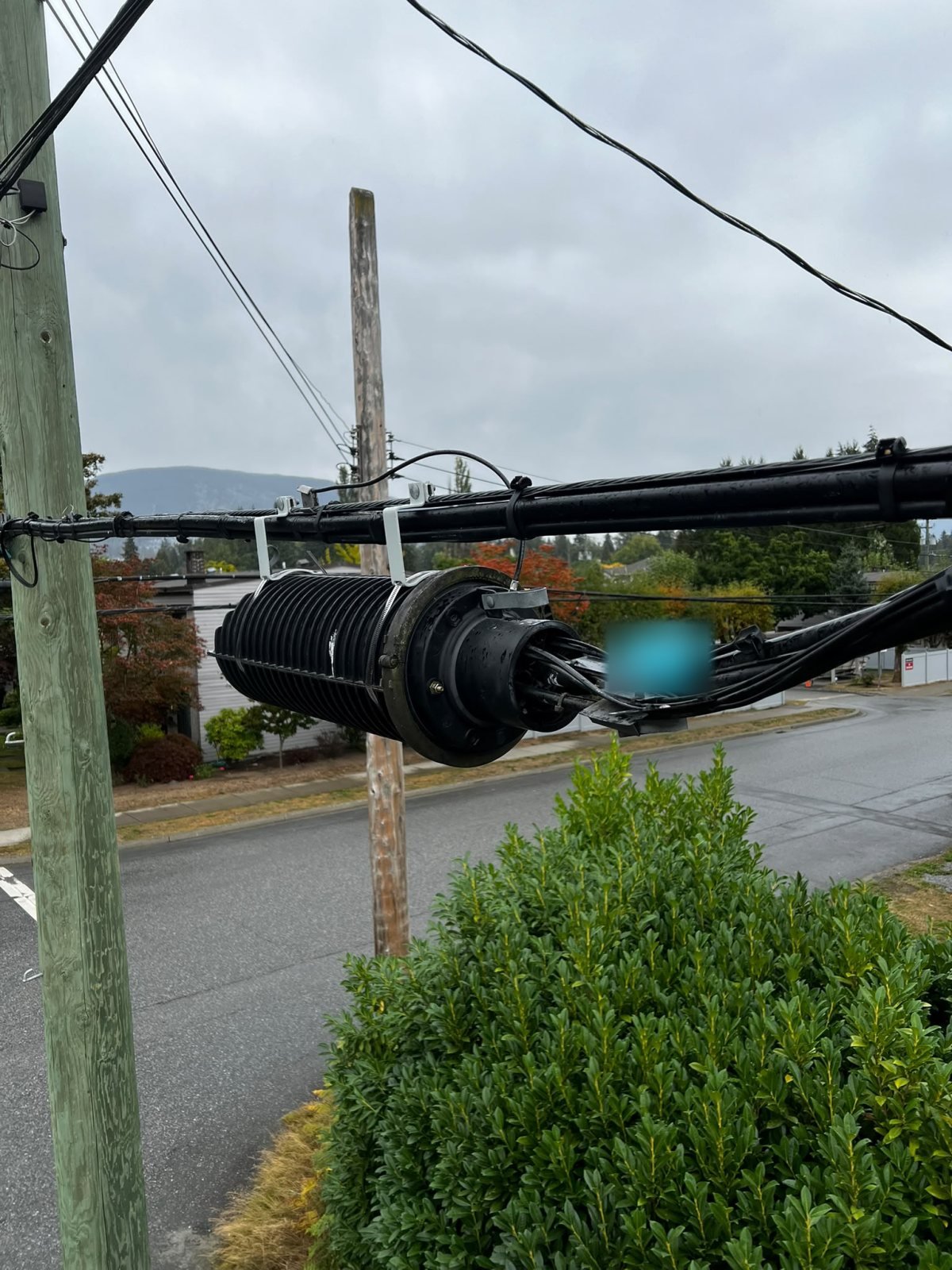
A tidy room.
A clear fiber route.
Electrical rooms are a key part of the fiber journey. Our work includes fiber distribution, dressing and cable management, with attention to how fibers enter, loop and reach their termination points.
- Electrical-room fiber routing and distribution
- Neatly dressed fiber and managed cable loops
- Fiber enclosures, splicing and termination
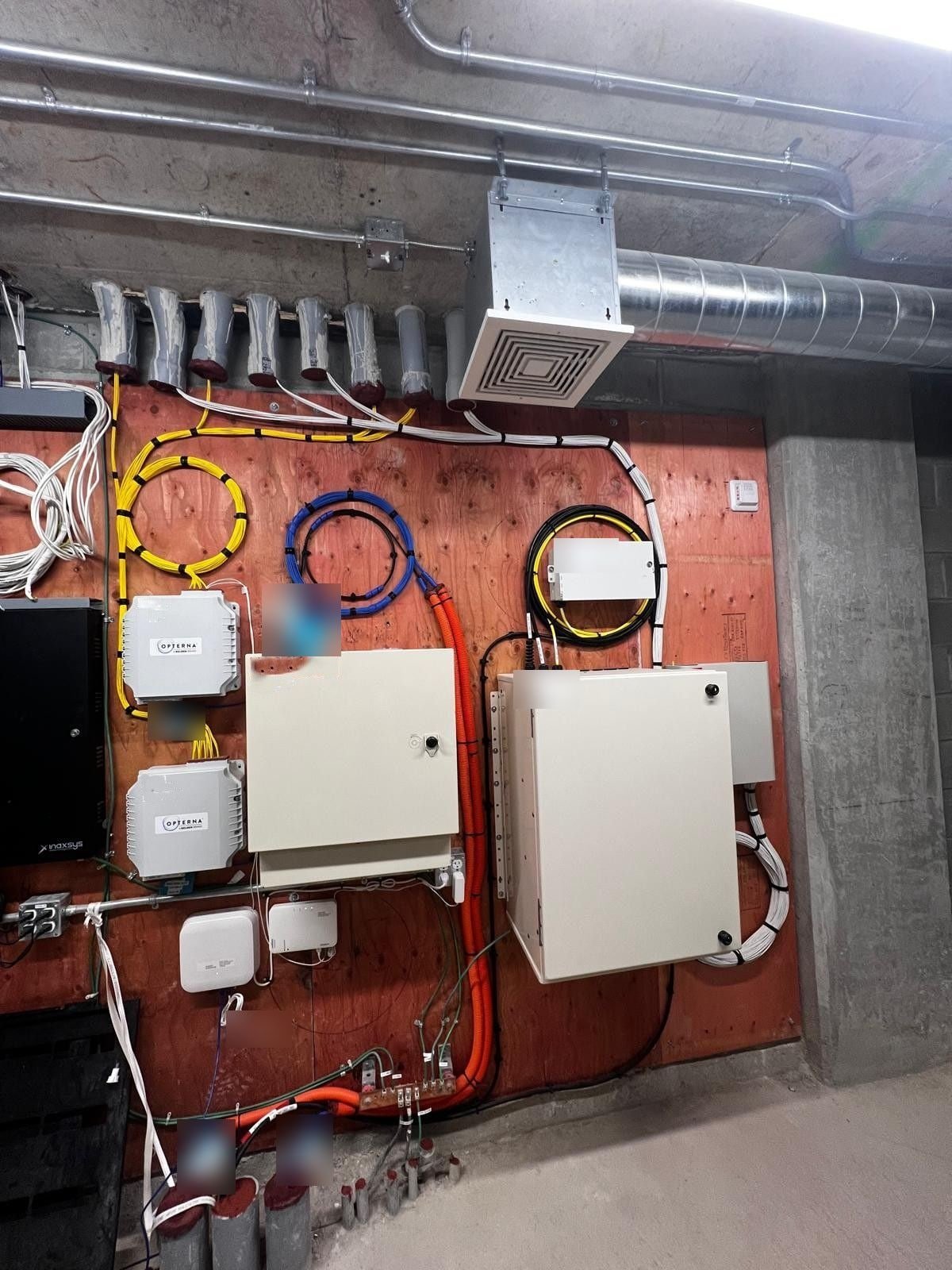
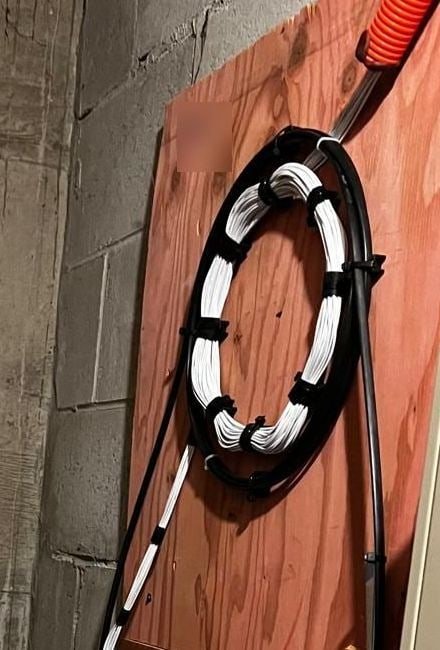
Micro DPU.
Details that matter.
Our field photographs show fiber work around micro DPU equipment, including managed fiber and cable loops. Bring your equipment requirements and connection scope to the project discussion.
- Fiber routing around micro DPU equipment
- Cable dressing and connection organization
- Project-specific termination requirements
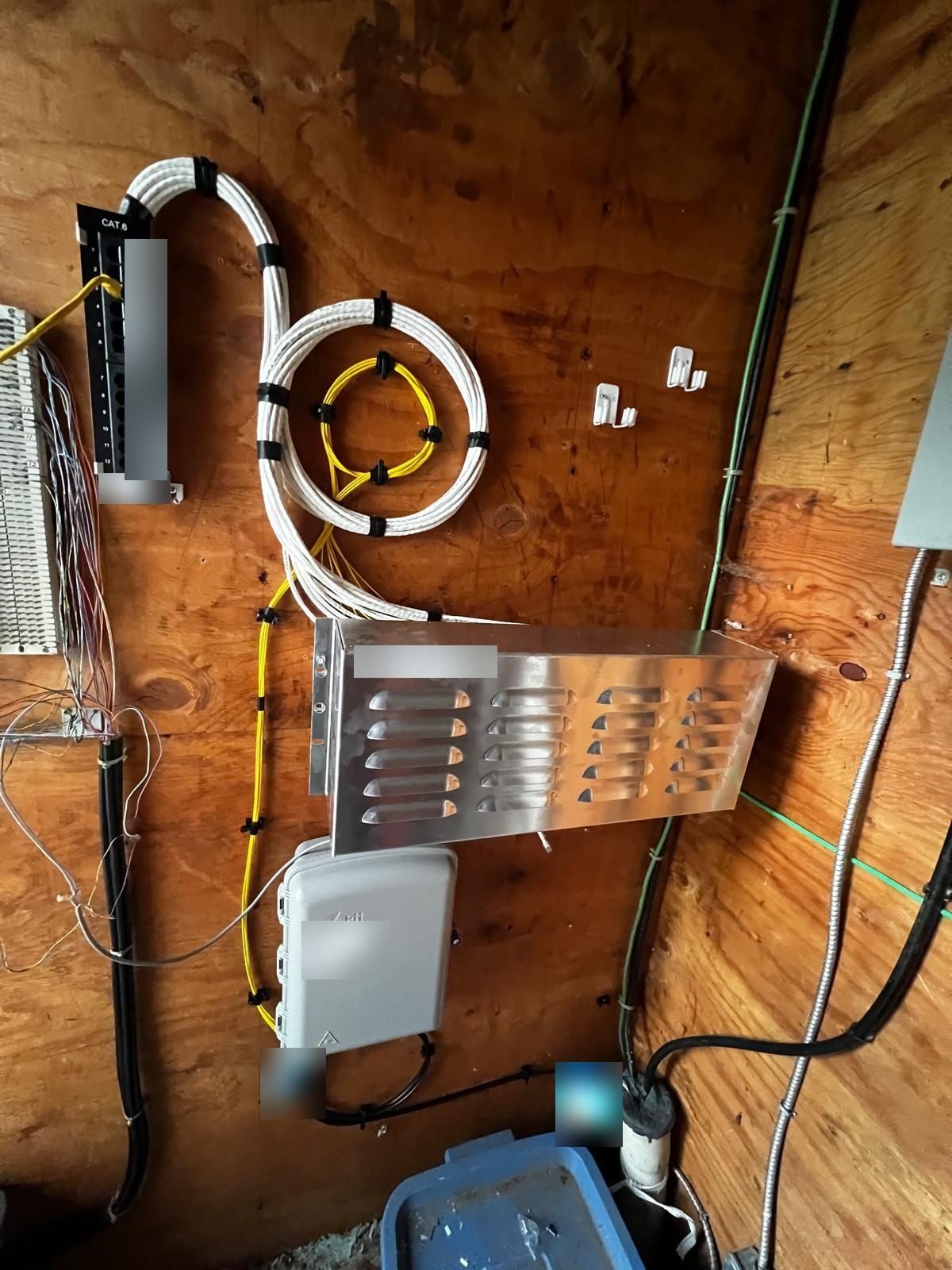
Into the unit.
Along the edges.
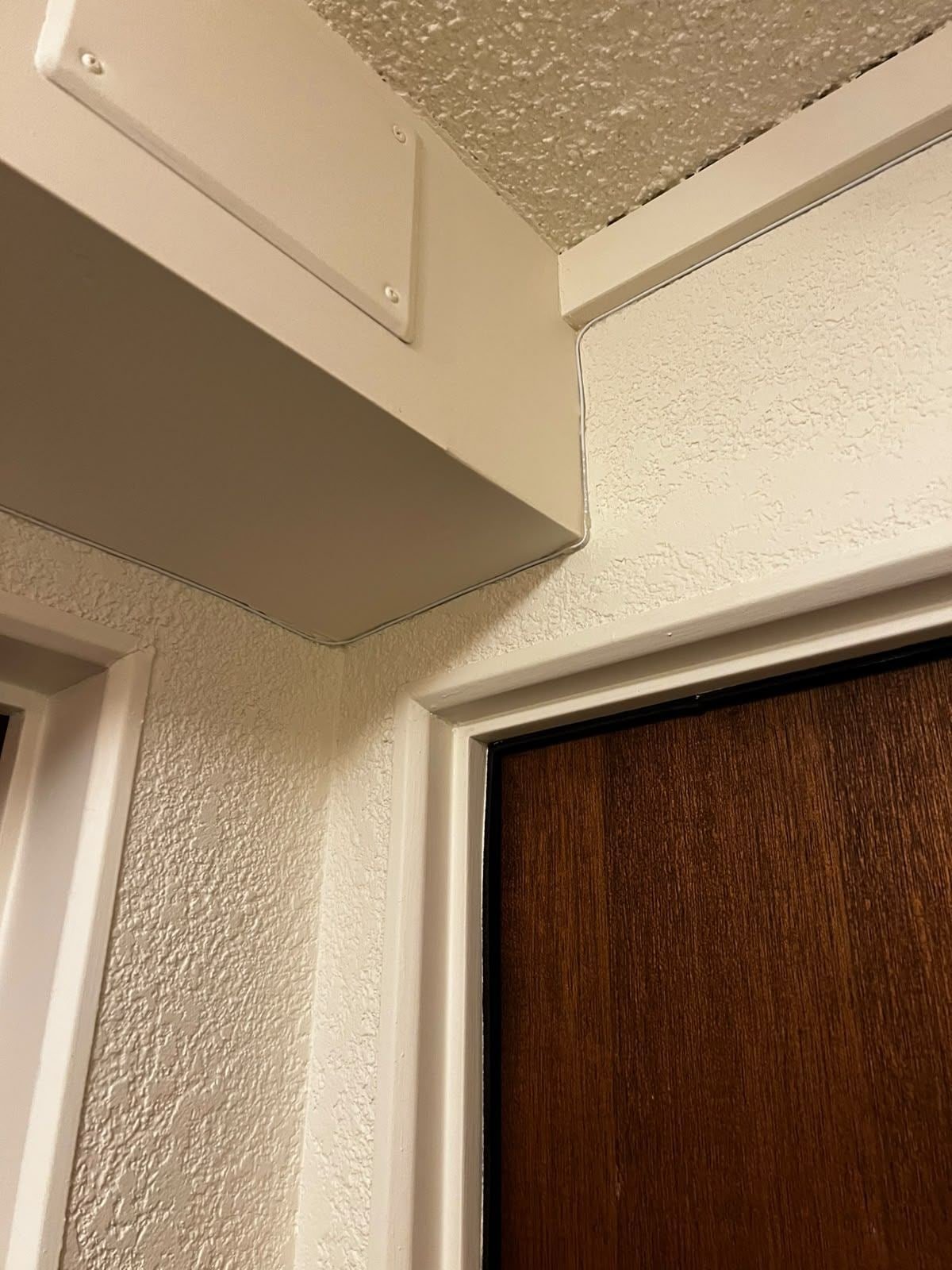
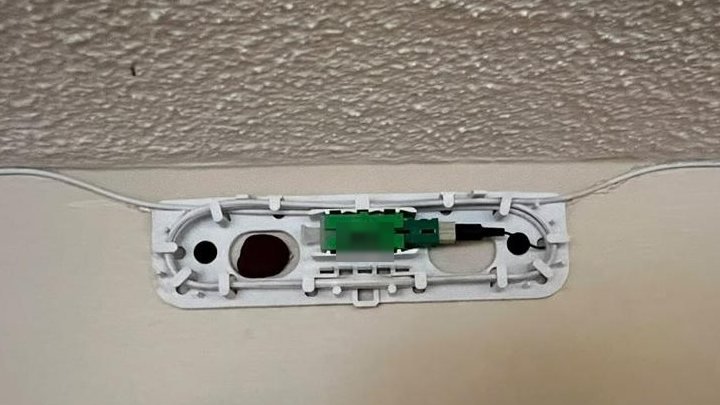
Invisilight routing follows ceiling edges and doorway contours to bring fiber into the living space. We carry the installation through to the fiber termination point inside the unit.
- Invisilight fiber routing
- Interior pathways and doorway details
- Inside-unit fiber termination
Fiber splicing.
Every fiber in its place.
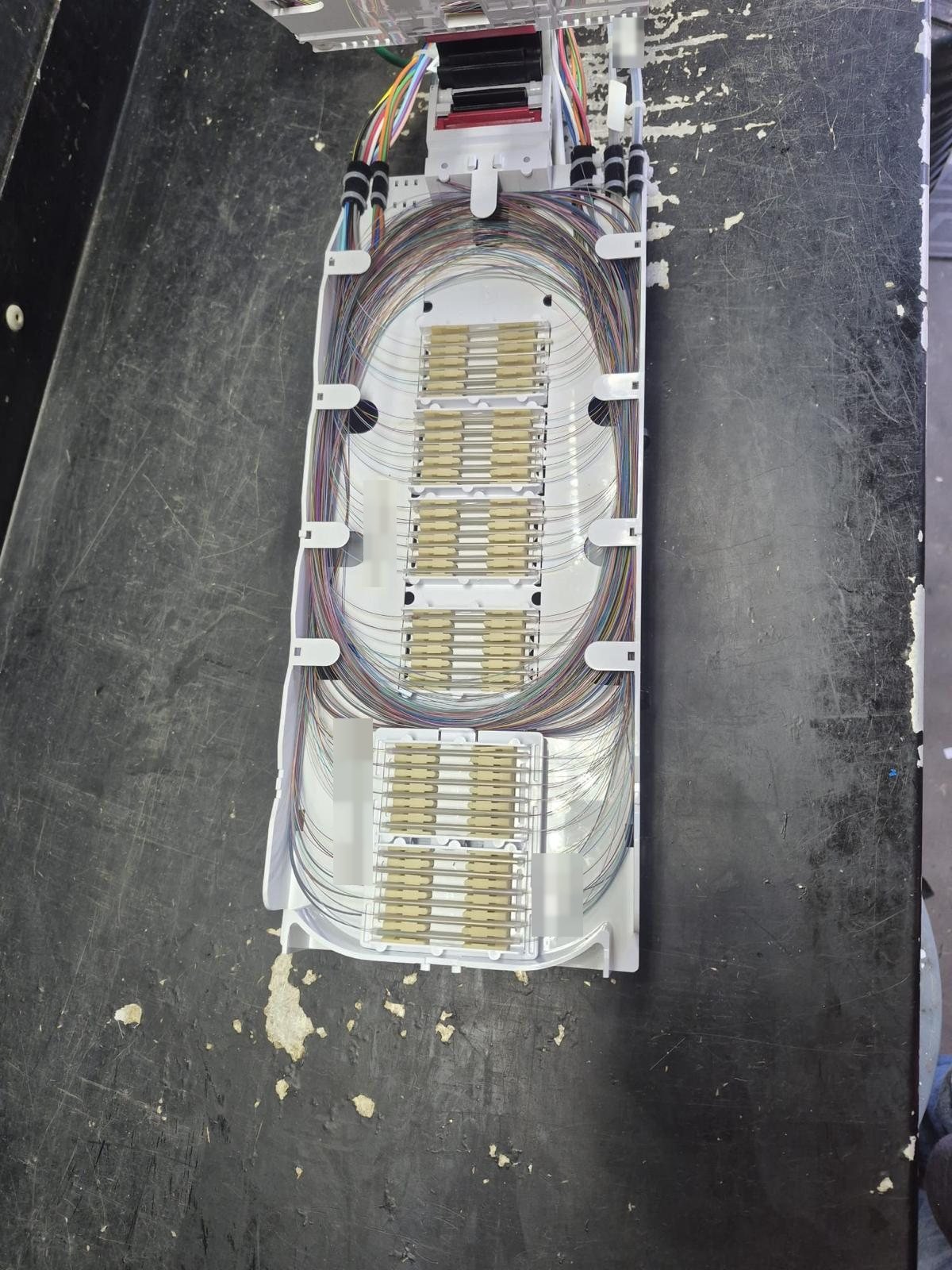
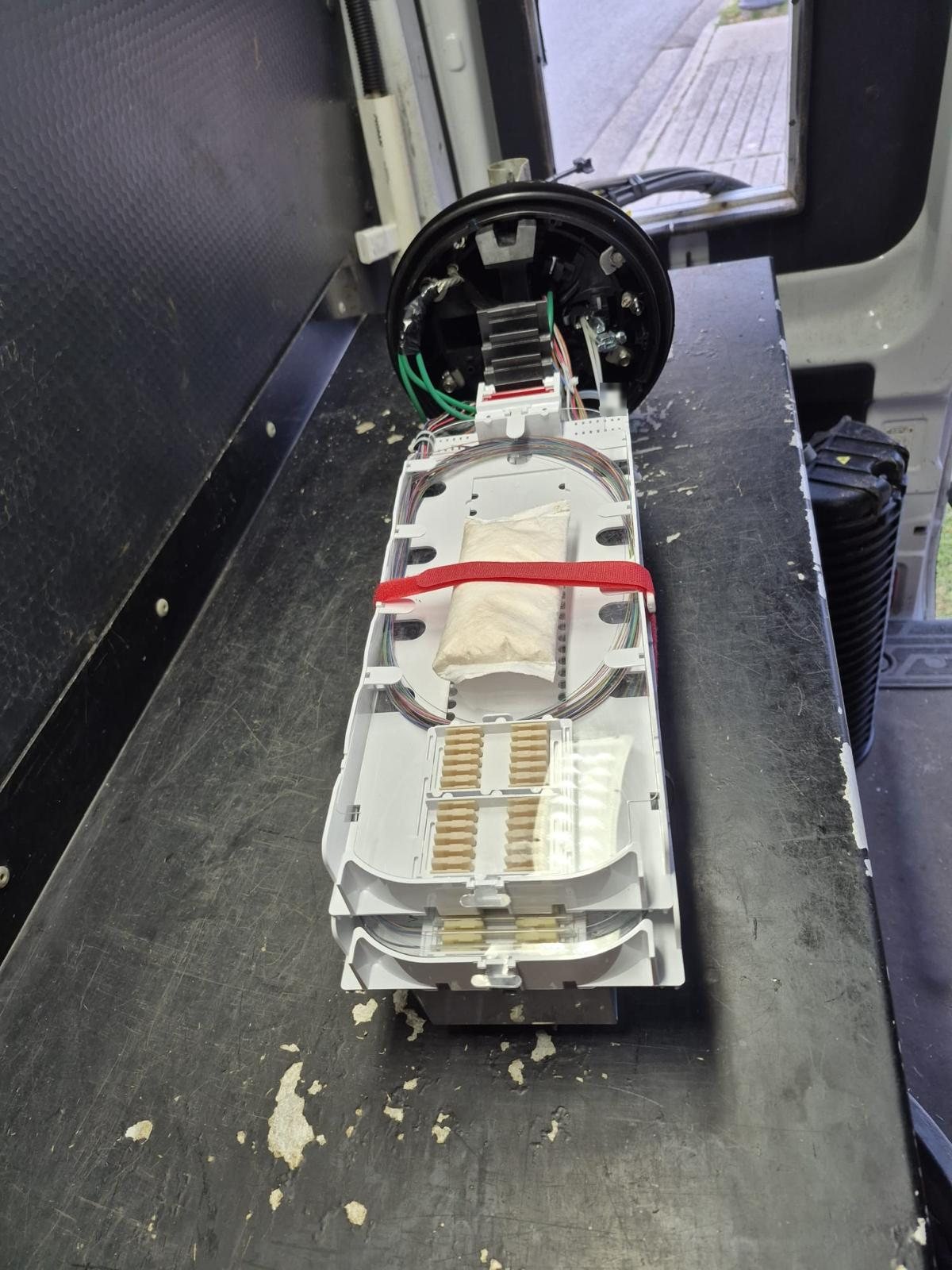
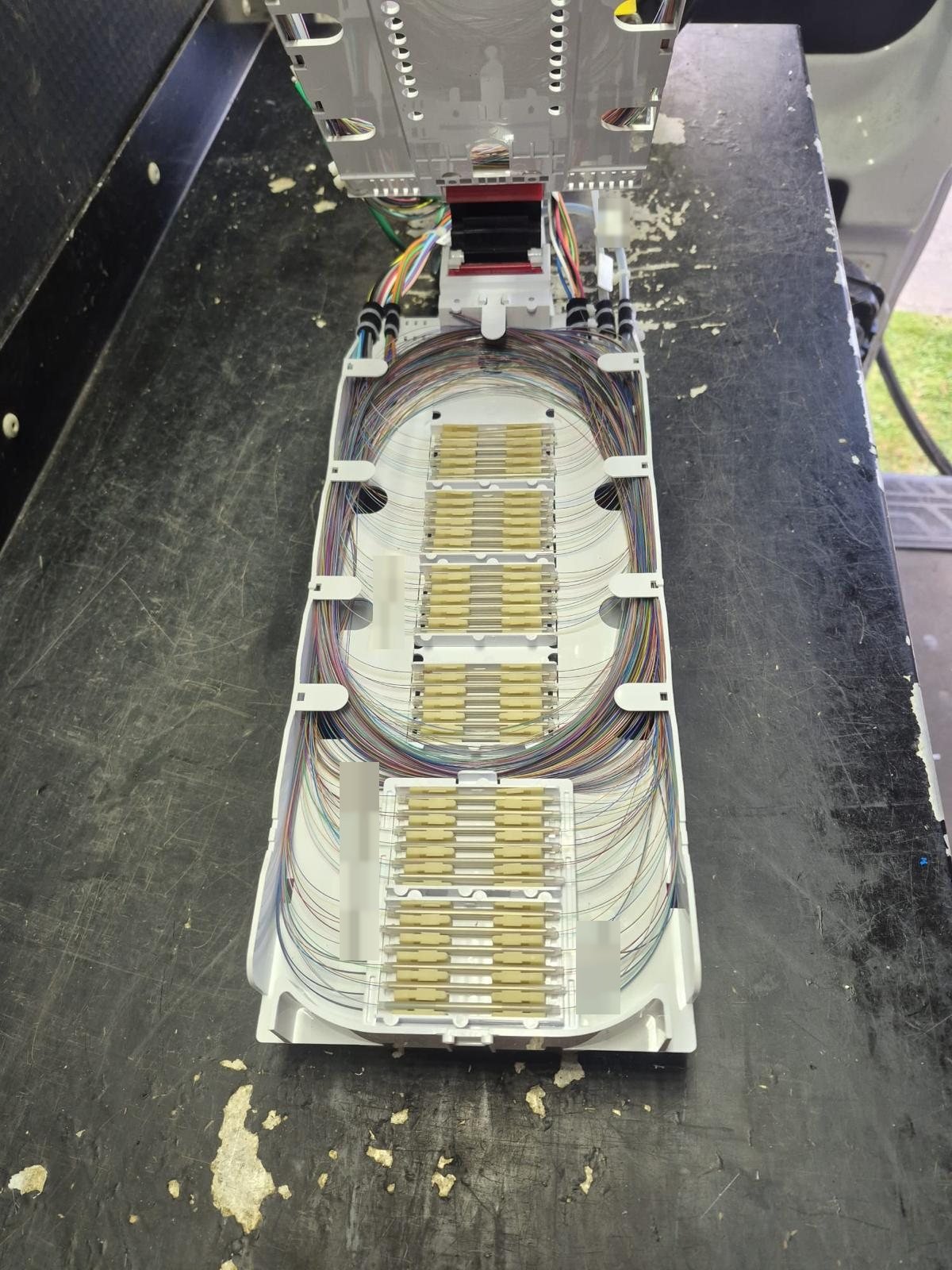
A splice joins two optical fibers end to end so the signal can continue along the route. We use fusion or mechanical splicing to suit the project, protect each splice, and seat it in a splice tray with neatly dressed fiber loops, keeping closures and enclosures organized for future maintenance. Splices can then be checked with OTDR testing.
- Fusion and mechanical splicing
- Splice closures, trays and enclosures
- Protected splices and dressed fiber loops
- Splicing for new installations, repairs and restoration
OTDR testing.
Reports to suit your project.
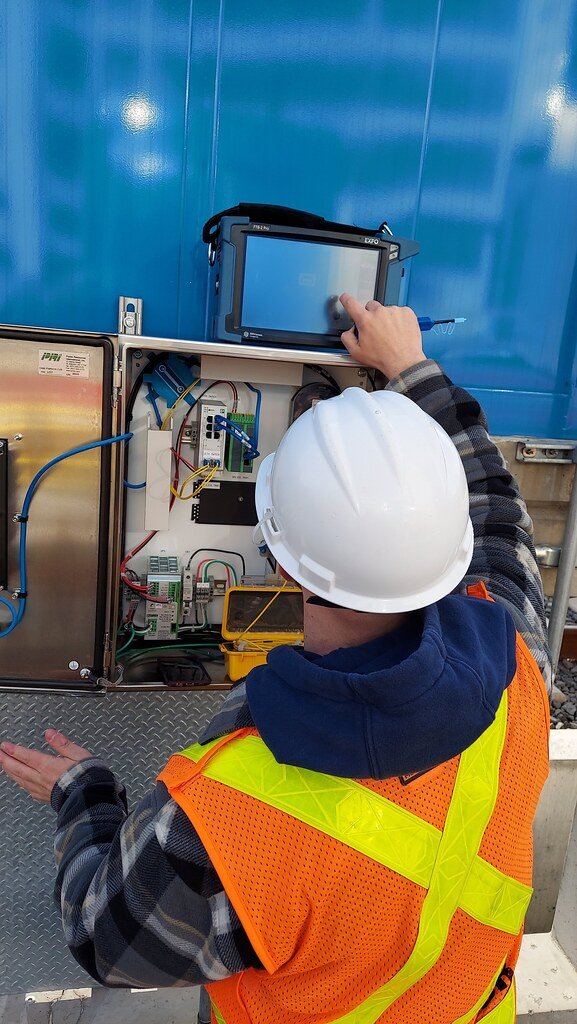
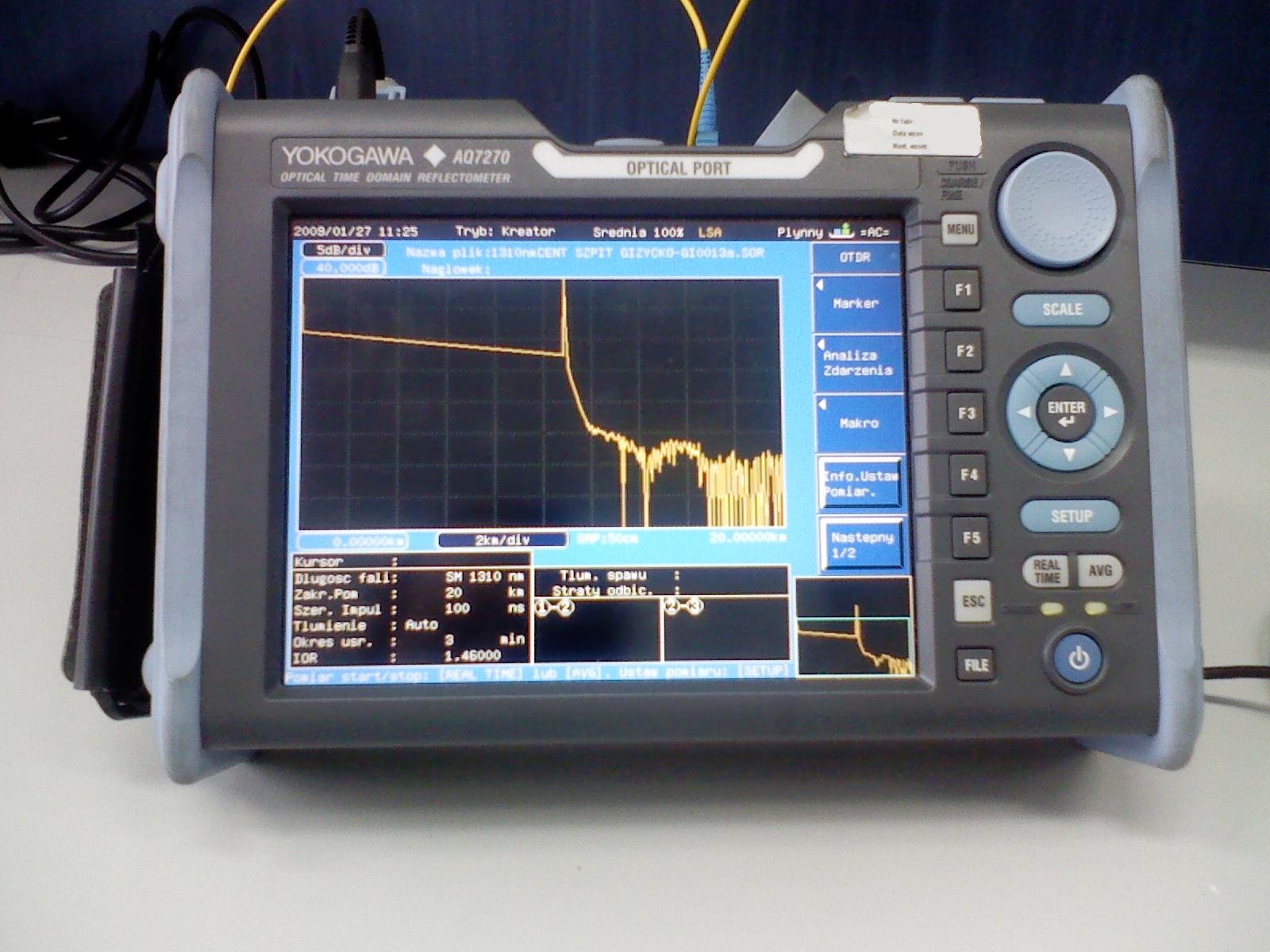
Active Telecom performs OTDR testing. Depending on the project, test documentation can include photos of the test results, a written report, or both. We agree on the testing requirements and documentation format as part of your project scope.
- OTDR testing for your fiber project
- Photos of test results, a written report, or both
- Documentation agreed to suit project requirements
The details that get us started.
Can you handle outside and inside fiber work?
Yes. Our fiber scope runs from outside planning and OSP installation through backbone, riser and electrical-room fiber work to inside-unit termination. Share your site plans so we can confirm the work required at each stage.
Do you work with single-mode and multimode fiber?
Yes. Active Telecom provides installation and termination for single-mode and multimode fiber. Include your cable and connection specifications in the inquiry.
Can you include Invisilight and micro DPU fiber work?
Yes. Our project photography includes Invisilight routing, inside-unit termination and fiber work around micro DPU equipment. The equipment, connection requirements and installation scope are confirmed for each project.
Where do you work?
We serve British Columbia and Alberta, with Calgary and Edmonton as our Alberta focus areas. Commercial project travel throughout both provinces can be discussed.
Do you provide OTDR testing and reports?
Yes. We perform OTDR testing and provide documentation suited to the project: photos of the test results, a written report, or both. The format and requirements are agreed as part of the scope.
What should I send for a quote?
Start with the project location, building type, route or floor plans, approximate unit count, existing infrastructure, required work and timeline. Include testing and handover requirements. Avoid sensitive customer or site records in the initial inquiry.
Have a fiber or telecom project?
Tell us about your requirements, location, and timeline.